Sneha Garments — ISO 9001:2015 Certified Uniform Manufacturer, Solapur, Maharashtra, India

Industrial Safety Uniforms: A Complete Buyer's Guide for Indian Factories
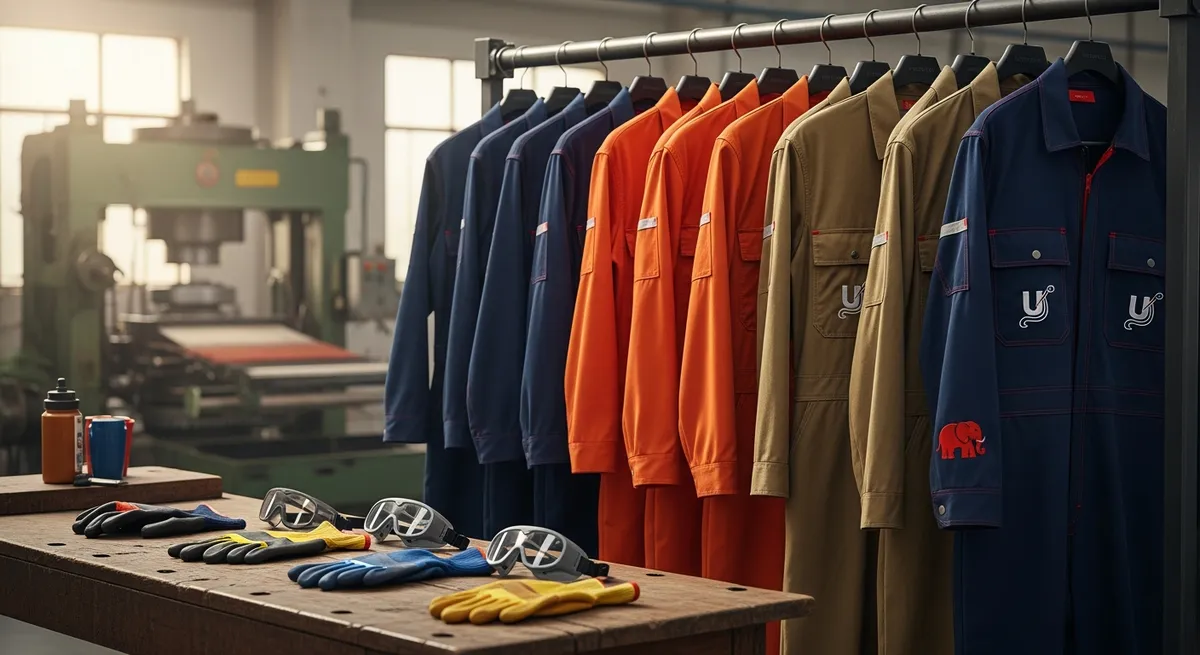
Industrial Safety Uniforms: A Complete Buyer's Guide for Indian Factories

For factories, construction sites, and manufacturing plants, safety uniforms are not optional — they are a legal and moral responsibility. This guide covers everything plant managers need to know.

For factories, construction sites, and manufacturing plants, safety uniforms are not optional — they are a legal and moral responsibility. This guide covers everything plant managers and procurement teams need to know before placing a bulk order.

Why Industrial Uniforms Are Different

Industrial uniforms face conditions that regular workwear simply cannot handle — heat, sparks, chemicals, heavy abrasion, and physical hazards. A uniform worn on a factory floor must meet specific performance standards to genuinely protect workers.

Cutting corners on industrial workwear is a serious risk. A uniform that looks the part but fails under stress is worse than useless — it creates a false sense of protection.

Key Features to Look For

Flame-retardant (FR) fabric is essential in environments where workers are exposed to heat, sparks, or open flame. FR fabrics are chemically treated or inherently resistant to ignition. They char and self-extinguish rather than melt or burn through.

High-visibility (hi-vis) features — reflective tape strips on arms, chest, and legs — are mandatory for workers in low-light conditions, near moving vehicles, or on roads. Indian safety standards align with international hi-vis guidelines for industrial environments.

Reinforced seams prevent tearing at stress points. Industrial uniforms take a beating; double-stitched or bar-tacked seams at pockets, crotch, and shoulders last significantly longer than standard single-stitch construction.

Heavy-duty zips, press-studs, or hook-and-bar closures are more reliable than buttons in industrial settings where uniforms are donned and removed repeatedly during shifts.

Fabric Weight and Composition

For general factory use, a 240 to 280 GSM polyester-cotton canvas or twill is the standard. Heavier fabrics resist abrasion better but can be uncomfortable in hot Indian summers.

For chemical-handling roles, 100% cotton treated with chemical-resistant finishes is preferable, as synthetic fibres can melt on contact with certain chemicals.

Compliance and Standards

Ensure your uniform supplier is aware of Indian safety standards (BIS norms) and any industry-specific requirements applicable to your sector. Documented fabric specifications and test certificates from the mill add credibility when audited by labour or safety inspectors.

Sneha Garments supplies industrial uniforms and safety jackets to manufacturing units and industrial estates across Maharashtra. Contact us to discuss your specification requirements and get a competitive bulk quotation.

Need uniforms in bulk? Get a quote or WhatsApp +91 9545977773.