How to Choose the Right Fabric for School Uniforms in India
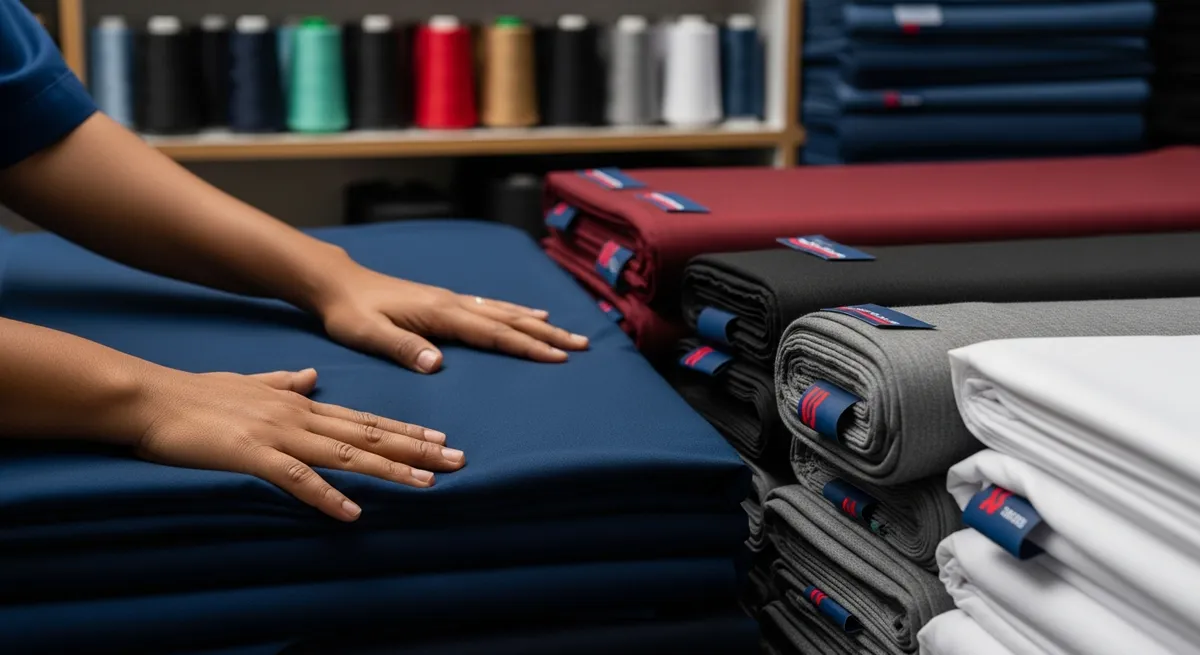
Choosing the right fabric for school uniforms is more important than most people think. The wrong material can leave students uncomfortable, sweaty, and distracted — especially in India's harsh climate.
Choosing the right fabric for school uniforms is more important than most people think. The wrong material can leave students uncomfortable, sweaty, and distracted — especially in India's harsh climate. As a manufacturer supplying schools across Maharashtra and beyond, we have learned exactly what works.
Why Fabric Choice Matters for School Uniforms
School children wear their uniforms for 6 to 8 hours every day. The fabric needs to breathe, hold its colour through hundreds of washes, and survive the rough and tumble of a school day. A fabric that looks great in a shop but fades after 10 washes is a poor investment for any school.
Top Fabric Choices for Indian School Uniforms
Cotton is the most popular choice for Indian schools. It is breathable, soft on skin, and comfortable in humid weather. However, 100% cotton wrinkles easily and loses shape over time. Most experienced uniform manufacturers use a cotton-polyester blend — typically 65% polyester and 35% cotton — which combines the comfort of cotton with the durability of polyester.
Polyester-viscose blends are ideal for blazers, trousers, and skirts. They hold their shape well, resist creasing, and give a sharp, professional look. This is the go-to choice for private schools that want their students to look smart throughout the day.
Twill weave fabrics are excellent for trousers and skirts. The diagonal weave pattern makes the fabric stronger and more resistant to tearing, which is important for active school children.
What to Avoid
Avoid 100% synthetic fabrics in shirts and blouses. They trap heat and moisture, making students uncomfortable in summer. Also avoid very dark colours in lightweight fabrics — they tend to fade faster in Indian sunlight.
Tips for Schools When Ordering Uniforms
Always ask for fabric swatches before placing a bulk order. Check the GSM (grams per square metre) — for shirts, 120 to 140 GSM is ideal; for trousers and skirts, 180 to 220 GSM gives the best balance of comfort and durability.
Work with a manufacturer who stocks fabric from reputed mills and can provide consistent quality across repeat orders. Consistency is key when you are ordering for hundreds of students across different batches.
At Sneha Garments, we supply school uniforms across Solapur and Maharashtra using carefully selected fabrics suited to the Indian climate. Contact us for samples and bulk pricing.